


Do trekking poles help in crossing small streams? This is a question that many outdoor enthusiasts ponder when planning their hiking or trekking adventures. As a trekking poles supplier, I've had the opportunity to see firsthand how these tools can enhance the experience of stream crossings and overall outdoor activities. In this blog, I'll explore the benefits of using trekking poles for crossing small streams, the types of trekking poles available, and offer some practical tips for a safe and enjoyable stream crossing.
The Advantages of Trekking Poles in Stream Crossings
Trekking poles offer several significant advantages when navigating small streams. First and foremost, they provide additional stability. Streams often have uneven or slippery bottoms, and the current can exert a considerable force on your body. By using trekking poles, you can create a tripod-like base, distributing your weight more evenly and reducing the risk of slipping and falling. This increased stability is particularly crucial in faster-moving water, where a single misstep can lead to a dangerous situation.
Secondly, trekking poles can help you gauge the depth and speed of the water. By poking the bottom of the stream with your poles, you can feel the terrain and identify any hidden rocks, holes, or changes in depth. This information allows you to make more informed decisions about the safest path to take across the stream. Additionally, the poles can be used to test the strength of the current, helping you determine if it's safe to proceed or if you need to find an alternative crossing point.
Another benefit of using trekking poles in stream crossings is that they can reduce the strain on your legs and joints. When you're walking through water, your legs have to work harder to support your body weight and combat the resistance of the current. Trekking poles transfer some of this weight to your arms, relieving pressure on your lower body and reducing fatigue. This is especially beneficial during long hikes or when you have to cross multiple streams.

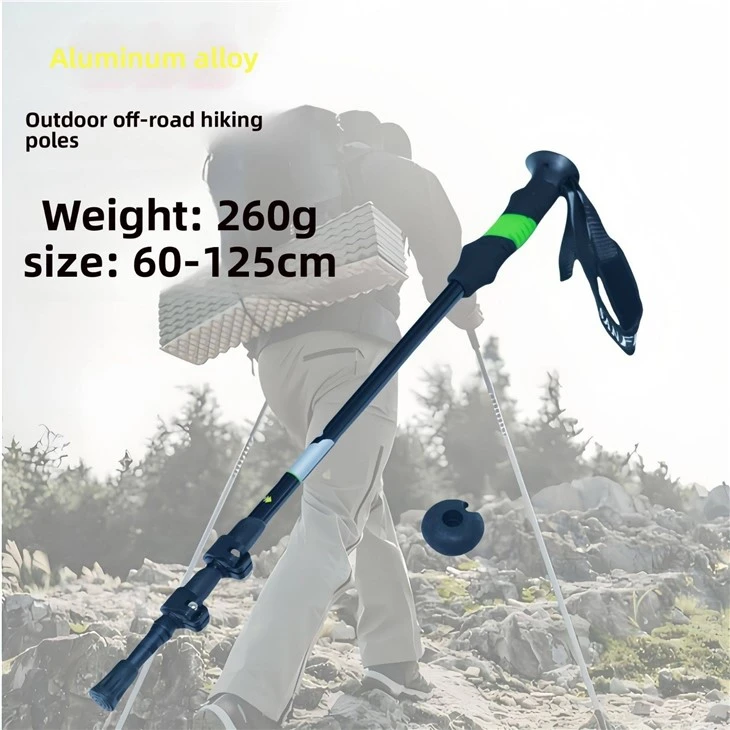
Types of Trekking Poles
As a trekking poles supplier, I offer a wide range of products to suit different needs and preferences. Here are some of the popular types of trekking poles available:
- 5 Section Ultralight Collapsible Nordic Walking Hiking Pole: These poles are designed for maximum portability and convenience. They feature a collapsible design with five sections, allowing them to be easily packed into your backpack. Despite their lightweight construction, they are still strong and durable, making them suitable for a variety of outdoor activities.
- Adjustable Folding Aluminum Walking Cane Stick Trekking Pole for Hiking Climbing Outdoor: These poles are made from high-quality aluminum, which provides a good balance of strength and weight. They are adjustable, allowing you to customize the length of the poles to suit your height and the terrain. The folding design makes them easy to carry and store when not in use.
- Telescopic Walking Sticks External Lock Ultra-light High-strength Hiking Poles: These poles utilize a telescopic design with an external locking mechanism, which allows for quick and easy adjustment of the length. They are ultra-lightweight and high-strength, making them ideal for long-distance hikes and challenging terrain.
- Telescopic Antishock Trekking Poles Aluminum Alloy EVA Plastic Handle Walking Sticks: These poles are equipped with an antishock system, which helps to absorb the impact of each step and reduce stress on your joints. The aluminum alloy construction provides strength and durability, while the EVA plastic handle offers a comfortable and secure grip.
- Lightweight Modern Alpenstock Hiking Climbing Nordic Walking Cane Sticks: Inspired by the traditional alpenstock, these poles are designed for both hiking and climbing. They are lightweight and feature a modern design, making them a stylish and functional choice for outdoor enthusiasts.
Tips for Using Trekking Poles in Stream Crossings
Now that you understand the benefits of using trekking poles in stream crossings and the types of poles available, here are some tips to help you use them effectively:
- Choose the right poles: Select trekking poles that are appropriate for your height, weight, and the type of terrain you'll be encountering. Adjust the length of the poles so that your elbows are bent at a comfortable angle (around 90 degrees) when you hold the poles in a normal walking position.
- Test the water depth and current: Before entering the stream, use your poles to test the depth and current. Look for a shallow, slow-moving part of the stream to cross, and avoid areas with strong currents, deep water, or hidden obstacles.
- Use a tripod stance: When crossing the stream, hold your trekking poles in front of you and create a tripod-like base with your feet and the poles. This will provide maximum stability and help you maintain your balance.
- Take small steps: Walk slowly and deliberately, taking small steps to maintain your balance. Avoid making sudden movements or changes in direction, as this can increase the risk of slipping.
- Keep your poles in contact with the bottom: Throughout the crossing, keep your poles in contact with the bottom of the stream to help you feel the terrain and maintain your balance. If you lose contact with the bottom, stop immediately and regain your footing before proceeding.
- Be prepared to adjust your route: If you encounter unexpected obstacles or changes in the water depth or current, be prepared to adjust your route. Look for a safer alternative crossing point or wait for the water level to drop before attempting to cross.
Conclusion
In conclusion, trekking poles are an invaluable tool for crossing small streams. They provide additional stability, help you gauge the depth and speed of the water, and reduce the strain on your legs and joints. As a trekking poles supplier, I offer a wide range of high-quality products to suit different needs and preferences. Whether you're a beginner or an experienced outdoor enthusiast, investing in a good pair of trekking poles can enhance your safety and enjoyment on the trails.
If you're interested in purchasing trekking poles or have any questions about our products, please feel free to contact us for a procurement discussion. We'll be happy to assist you in finding the perfect poles for your next adventure.
References
- "The Complete Guide to Trekking Poles" by Outdoor Gear Lab
- "Stream Crossing Safety" by American Hiking Society
- "How to Use Trekking Poles" by REI Co-op


